In high-risk industries, near misses or events that almost led to disaster but were averted, offer invaluable learning opportunities. In 2025, several U.S. based organizations across energy, utilities, chemicals, maritime, and manufacturing faced major near-miss incidents. The case below details the situation, why it qualified as a near miss, how it was detected and handled, and how the lessons learned were institutionalized to strengthen organizational resilience. This example shows how proactive learning from close calls can drive tangible safety improvements and best practices.
Nuclear Plant Coolant Loss Near-Miss (Quad Cities Station)
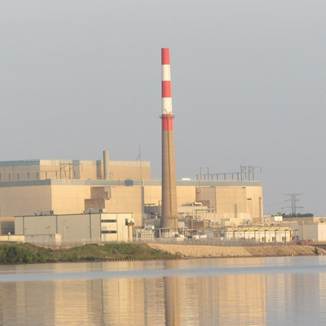
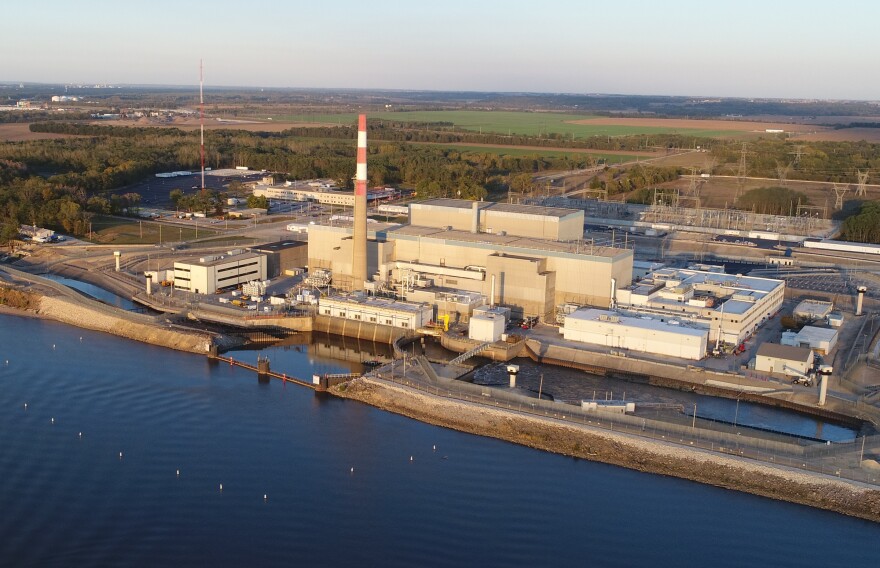
Situation/Context: In March 2023 at the Quad Cities nuclear power station (Cordova, Illinois), operators were draining coolant from the Unit 1 reactor for routine maintenance when 1,200 gallons of reactor coolant inadvertently rushed out in six minutes. The coolant is critical to keep fuel rods from overheating, and losing it so rapidly put the reactor perilously close to a major accident. Although this incident occurred in 2023, its severity only came to light in 2025 when regulators completed their investigation.
Why It Was a Near Miss: The event was a near miss because the reactor came within minutes of triggering emergency safety redundancies to prevent a meltdown. Workers failed to close 177 valves during the drain-down, causing water to spill much faster than expected. They mistakenly believed they had eight hours before hitting a dangerous low-coolant level; in reality they had only minutes before automatic shutdown systems would activate. The rapid loss of coolant could have led to fuel rod overheating and a nuclear disaster, but fortunately backup systems were in place and the mistake was caught just in time. Several workers were soaked in radioactive coolant (a serious exposure), but no one was immediately injured. Nuclear safety experts explicitly labeled this a “near miss” that exposed dangerous vulnerabilities in operations.
Detection and Reporting: Alarmingly, the plant’s personnel did not properly report the incident to authorities at first. In fact, employees attempted a cover-up, falsifying records to downplay the severity. One reactor operator later admitted he provided inaccurate information because he feared retaliation from a senior manager. The truth emerged only after NRC (Nuclear Regulatory Commission) inspectors grew suspicious and investigated, eventually uncovering how close the plant had come to a serious event. An NRC report completed in 2025 detailed the chain of errors and cover-up, bringing the near miss to public attention.
Internal Championing (Leadership Response): Once confronted with the NRC’s findings, the plant owner – Constellation Energy – took a decisive stance. Senior leadership fired the workers involved in the misconduct and cooperated fully with regulators. In a public statement, Constellation affirmed it “holds its employees and contractors to the highest standards of ethical conduct while promoting a culture of transparency, accountability and continuous learning”, and vowed to “take the NRC’s findings seriously” and implement changes to prevent recurrence. By embracing the investigation rather than denying it, leadership demonstrated that safety and honesty would be prioritized over avoiding bad press.
Institutionalized Learning: This near miss prompted Constellation and the NRC to strengthen protocols. Corrective actions were implemented at Quad Cities to ensure such valve errors cannot recur and that any abnormal event is reported immediately. The company redoubled training on procedural adherence (e.g. verifying valve lineups during maintenance) and reinforced a “safety culture” of transparency, so employees feel empowered to report problems without fear. The individuals who attempted the cover-up were removed, sending a clear message that integrity in reporting is non-negotiable. The NRC, for its part, considered enforcement penalties, a step that would further institutionalize lessons by holding the organization accountable. Industry-wide, this case became a cautionary tale discussed in nuclear safety forums, underlining the need for aggressive self-reporting and robust oversight.
Contribution to Resilience: Learning from this close call has made the organization and industry more resilient. The incident tested backup safety systems (which thankfully functioned) and exposed gaps in human performance and safety culture. In response, Constellation has bolstered its emergency procedures and oversight, reducing the chance of a similar lapse. The emphasis on transparency and swift corrective action means future issues are more likely to be caught early instead of concealed. Ultimately, the Quad Cities near miss reinforced that strong safety culture and redundant engineering safeguards are vital in the energy sector. By openly addressing and learning from the event, the nuclear industry can prevent a near miss from turning into a real catastrophe in the future.